What Actually Counts as a "New Build"?
Part 2 of a series on issues reshaping the Australian property market
What Actually Counts as a "New Build"?
The Definition That Could Cost Your Buyer Their Negative Gearing
If you've read Part 1 of this series, you know the headline: from 1 July 2027, negative gearing on established residential property gets quarantined, but eligible new builds keep full access — indefinitely. That single distinction is about to become one of the most consequential words in your buyer conversations. The problem is, almost nobody outside of the tax office actually knows what "new build" means under the reform. And the gap between what buyers assume and what actually qualifies is wide enough to derail a purchase decision.
What genuinely qualifies
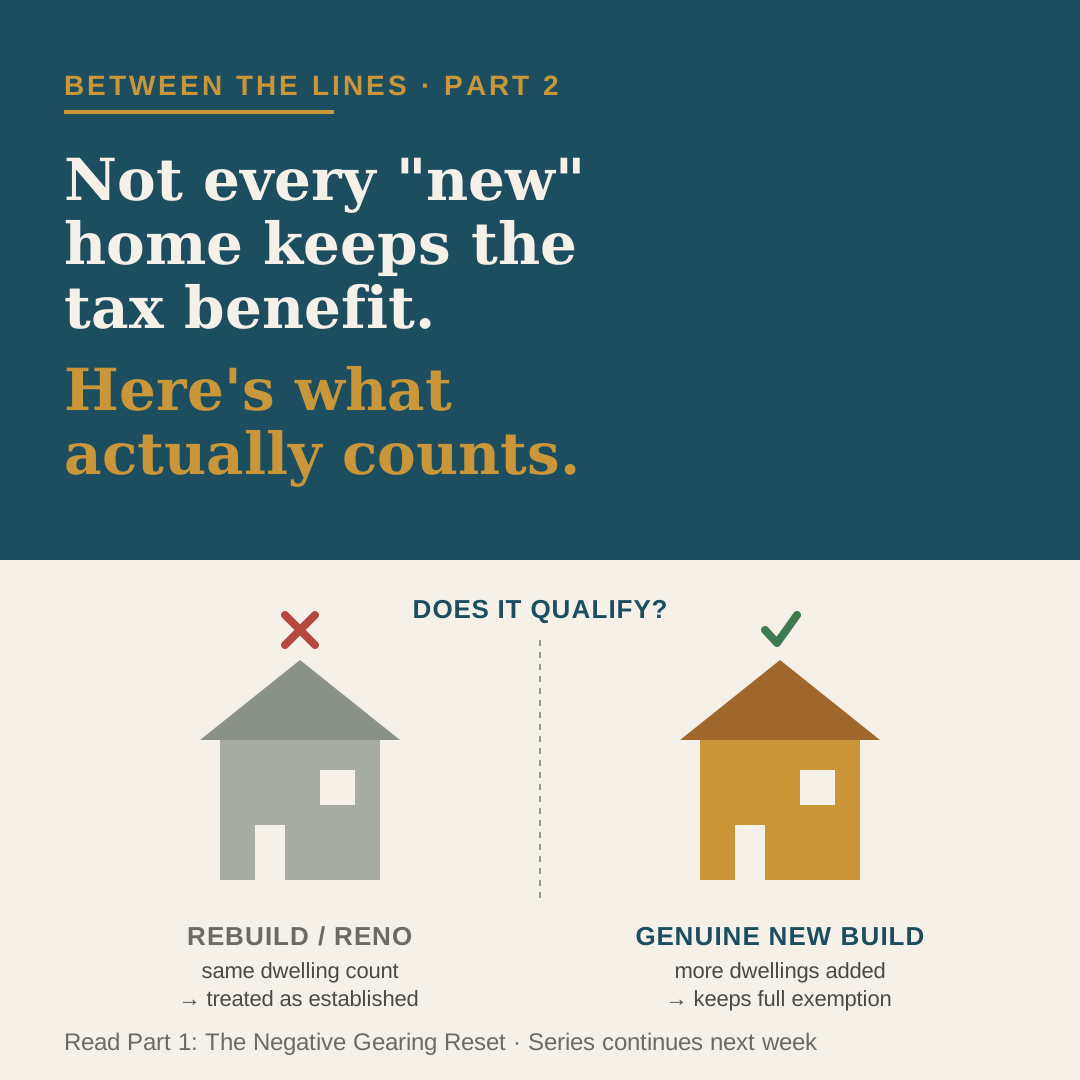
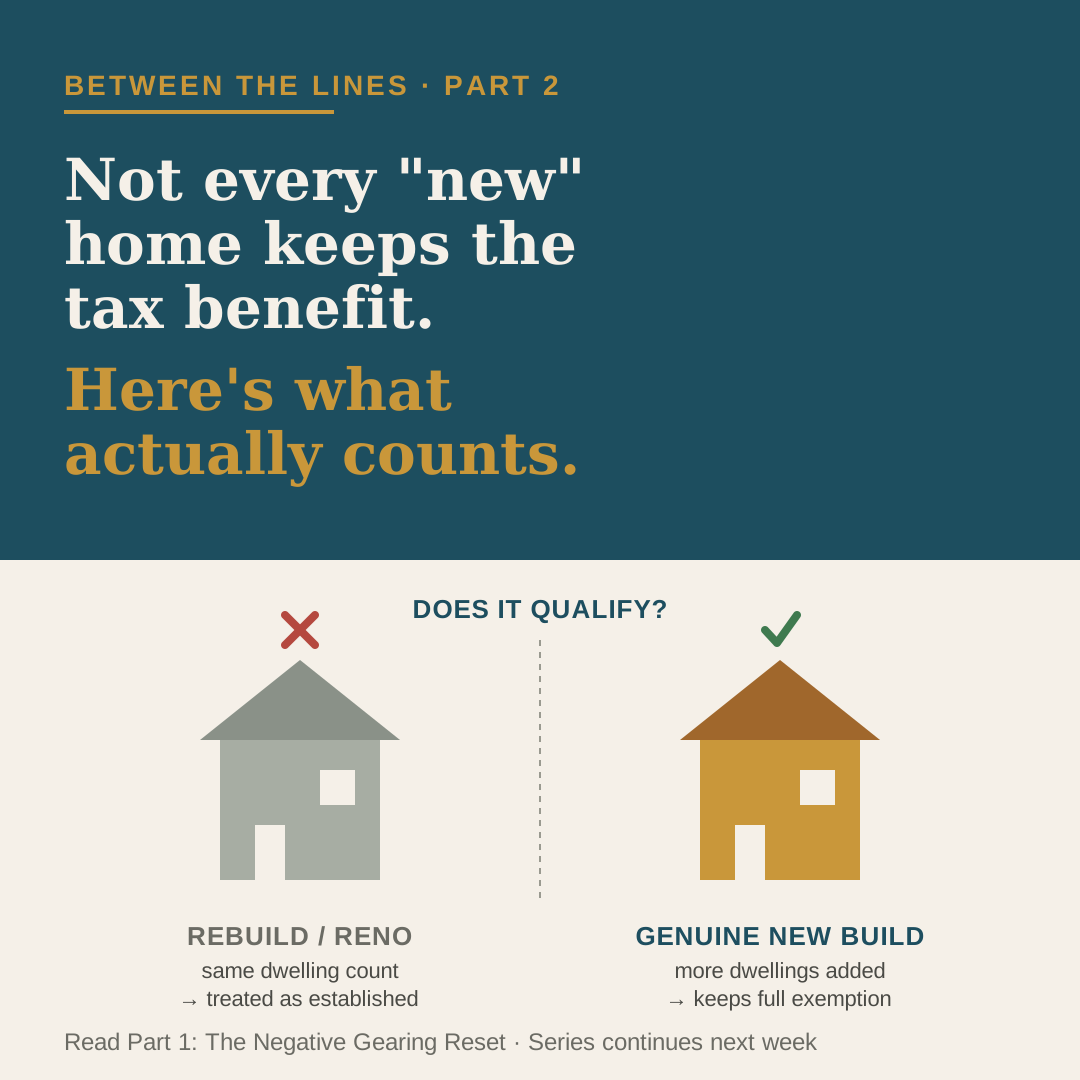
The definition is narrower than most people expect. A new build means a dwelling constructed on previously vacant land, or a dwelling created where an existing property is demolished and rebuilt with a greater number of dwellings than before. That second part matters — it's not "knock it down and build one new house," it's "knock it down and build more than there was."
Off-the-plan apartments, house-and-land packages, and qualifying duplex developments where dwelling numbers increase are the kinds of stock that sit clearly inside the exemption.
What doesn't qualify — and this is where buyers get caught out
Three things buyers commonly assume are "new builds" are explicitly excluded:
Knock-down rebuilds that don't increase dwelling count. Bulldoze the old house, build one shiny new one in its place — that's still treated as an established property under the reform, because supply hasn't increased.
Substantial renovations. Doesn't matter how extensive. A full gut-and-rebuild of an existing dwelling does not convert it into a new build for this purpose.
Granny flat additions. Adding a secondary dwelling to an existing established property doesn't shift the whole property into new-build territory.
And there's a second-order trap worth knowing: the new-build exemption generally applies only to the first investor purchaser of that dwelling. If your buyer is looking at a near-new property that's already changed hands once as an investment, they may not inherit the same negative gearing treatment the original purchaser had. That's a detail worth flagging before they fall in love with a "practically brand new" resale.
Why this matters in your next investor conversation
This isn't a technicality for accountants to sort out later — it changes which properties are worth putting in front of an investor client at all. A buyer chasing negative gearing on an established knock-down-rebuild is chasing something that won't exist under the new rules. A buyer looking at off-the-plan stock with a genuine increase in dwelling count is looking at something structurally protected. Same suburb, same budget, completely different tax outcome.
Three things you can do with this right now
Ask the dwelling-count question early. When an investor is looking at any rebuild or redevelopment site, one question separates a qualifying new build from an established property: does the finished project have more dwellings than existed before? If the answer's no, set expectations accordingly.
Don't let "renovated" get confused with "new." A beautifully renovated period home is still established property under this reform, no matter how new it feels walking through the front door. Say this plainly to clients — it prevents a nasty surprise at tax time.
Check first-purchaser status on near-new stock. If a client is eyeing a new-build property that's already been sold once as an investment, flag that the exemption may not transfer the same way. This is exactly the kind of question worth a quick call to your mortgage broker or accountant contact before an offer goes in.
The bigger picture
This is legislated to reward genuine new supply and nothing else — that's the entire logic behind the narrow definition. Every carve-out and exclusion in this list exists to close a loophole where "new build" could otherwise be stretched to cover something that doesn't actually add housing stock. For you, the practical upshot is simple: the word "new" in a listing description is no longer just a marketing term. It's a tax category, and getting it right — or flagging it clearly when you're not sure — is part of doing right by your client.
This article is general information about announced tax policy, not financial or tax advice, and reflects the position as at the 2026–27 Budget papers pending final legislation. Buyers and investors should be referred to a qualified accountant, financial adviser, or mortgage broker for advice specific to their circumstances.
