
News & Insights
Home → Blog
News & Insights
Real Talk for
Real Estate Agents.
Perspectives on the industry, the market, the mindset, and what it actually takes to build a career in Australian real estate — from someone who's been doing it for 45 years.


Build a 12-Month Financial Buffer as a New Agent
Money Management, New Agents
How to Build a 12-Month Financial Buffer on a New Agent's Income — Without the Panic
Launching your career as a new agent can feel like stepping onto a roller coaster—exciting, but financially unpredictable. This guide shows you how to quietly build a 12‑month financial buffer on a modest new agent income, using practical strategies shaped by over 45 years of real financial pressure, market cycles, and commission droughts.
Why a 12-Month Financial Buffer Changes Everything
A 12‑month buffer is simply one year of essential living expenses saved in cash or near‑cash. For a new agent, that buffer does three powerful things:
It breaks the cycle of commission-to-commission panic, so you can think clearly instead of desperately chasing any deal that moves.
It buys you time to learn, build a pipeline, and make mistakes without every slow month feeling like a crisis.
It gives you the confidence to say no to bad-fit clients and focus on the relationships that actually build a career.
💡 Pro Tip: You don’t have to build the entire 12‑month buffer at once. Think in layers: first 1 month, then 3, then 6, then 12.
Step 1: Know Your Real Bare-Bones Number
After four and a half decades of watching agents under pressure, one pattern is clear: most people wildly overestimate what they “need” each month. Your buffer is based on bare‑bones expenses, not your dream lifestyle.
List only the expenses that keep you housed, fed, insured, and able to work: rent or mortgage, utilities, basic groceries, transport, phone, basic insurance, minimum debt payments.
Cut out everything optional: subscriptions, dining out, upgrades, “little treats.” Your buffer is about survival, not comfort.
Add it up. That’s your bare-bones monthly cost of living. Multiply by 12—that’s your target buffer.
📌 Key Takeaway: A lower monthly baseline makes a 12‑month buffer achievable years sooner, especially on a new agent’s income.
Step 2: Design a “New Agent” Budget That Actually Works
Traditional budgeting assumes a steady paycheck. New agents don’t have that. After 45 years of watching income swing wildly, a simple rule emerges: treat every commission check as if it must last three months.
50% to essentials (your bare‑bones number).
30% to your 12‑month buffer savings account.
20% to taxes and business costs (marketing, fees, basic tools).
When income is low, you still follow the same percentages, even if the dollar amounts shrink. When income spikes, you resist lifestyle creep and let your buffer grow aggressively.
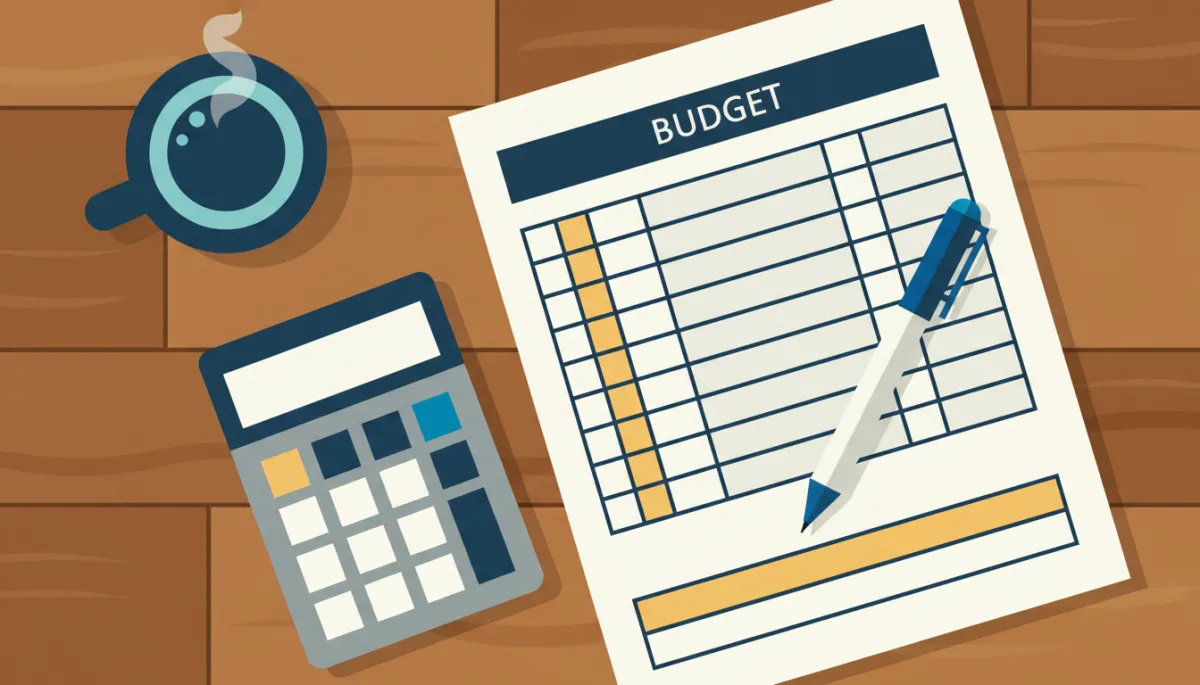
A simple, written plan turns irregular commissions into predictable progress toward your buffer.
Step 3: Automate the Buffer So Willpower Isn’t Required
Under financial stress, willpower is the first thing to disappear. That’s a lesson hard‑earned over decades of tight months and surprise bills. The solution is to remove daily decision‑making.
Open a separate high‑yield savings account labeled “12‑Month Buffer.”
Every time a commission hits your checking account, immediately transfer your buffer percentage the same day.
Treat that transfer like rent: non‑negotiable, even if it’s only a small amount some months.
💡 Pro Tip: Use a bank that’s slightly inconvenient to access. A little friction keeps you from raiding your buffer for impulse spending.
Step 4: Use Real-World Pressure to Guide Smart Trade-Offs
Financial advice built in a classroom often ignores what 45 years of real pressure makes obvious: you can’t cut everything at once. You still need small comforts to stay sane, and you still need to invest in your business. The key is intentional trade‑offs.
Keep one or two low‑cost “joy” items—maybe coffee out once a week—while cutting back hard on big, invisible drains like unused subscriptions or frequent takeout.
Choose high‑return business expenses (like lead generation or skill‑building) over prestige expenses (fancy car, premium office).
Revisit your numbers every quarter. Real life changes; your plan should, too.
Step 5: Measure Progress in Milestones, Not Perfection
On a new agent’s income, a 12‑month buffer might take several years. That’s normal. What matters is steady movement in the right direction, not how quickly you get there.
Celebrate each milestone: 1 month saved, then 3, then 6. Each one permanently reduces your stress level.
When you must dip into the buffer, treat it like a loan from your future self—and make a plan to repay it.
Track progress visually—a simple chart on your wall can turn an abstract goal into something you see growing month after month.
Turning a Stressful Start into a Stable Career
Building a 12‑month financial buffer on a new agent’s income isn’t about being perfect with money. It’s about using simple, repeatable habits that hold up under real‑world pressure: knowing your true baseline, following a percentage‑based budget, automating savings, and making thoughtful trade‑offs instead of emotional decisions.
Over 45 years, markets rise and fall, interest rates change, and new technologies appear—but the agents who last are the ones who build their safety net early. Start with your first month of expenses. Protect it. Then build the next. Without the panic, you give yourself the one advantage every new agent needs most: time to grow into the professional you’re meant to be.

Blog Disclaimer
The information shared in this blog is provided for general information and educational purposes only. While Year One Agent aims to offer practical, relevant insights based on real industry experience, the content should not be relied on as financial, legal, business, or professional advice. Year One Agent makes no representations, undertakings, or guarantees as to the accuracy, completeness, reliability, or suitability of any information contained in this blog, and accepts no liability for any loss or damage arising from reliance on its content. Readers should seek their own independent professional advice before making any financial, business, or career decisions.
The roadmap, the financial framework, and the mindset tools every new Australian real estate agent needs to survive and thrive in their first year. Built from decades of lived experience.
SERVICES
MORE +
Get In Touch
© 2026 Year One Agent. All rights reserved.